Malaysia’s cryptocurrency industry is attracting significant foreign investment. After a year of developing testing programs and plans for digital assets, one of the world’s leading cryptocurrency exchanges is now supporting a local platform to help it expand.
Bybit Returns With A Bigger Check
Bybit spearheaded an $8 million funding round for Hata, a digital asset exchange based in Kuala Lumpur. Several international family offices also participated in the investment.
This isn’t the first time Bybit has invested in Hata. They previously led the company’s initial $4.2 million funding round, and this new investment builds on that existing relationship with a platform they’re already familiar with.
The company announced that the new funding will be used to increase market activity, attract more users, and expand its offerings of digital assets.
Launched in 2023, Hata has quickly grown to over 209,000 registered users. So far this year, the platform has processed around 1 billion Malaysian ringgit, which is approximately $225 million in transactions.
For a licensed retail exchange still in its early years, those numbers show real momentum.

Two Licenses, One Platform
As an analyst, I’ve been closely watching Hata, and what really distinguishes it from competitors in the region is its solid regulatory position. They’ve secured licenses from both the Securities Commission Malaysia and the Labuan Financial Services Authority, which gives them the green light to legally offer both trading and secure storage (custody) of digital assets within Malaysia. This dual licensing is a significant advantage.
This unique licensing arrangement sets Hata apart and provides a level of legal security that most unregulated offshore platforms can’t offer.
Bybit CEO Ben Zhou highlighted Malaysia as a promising market, noting its strategic location and a population that is both digitally active and increasingly interested in using digital assets.
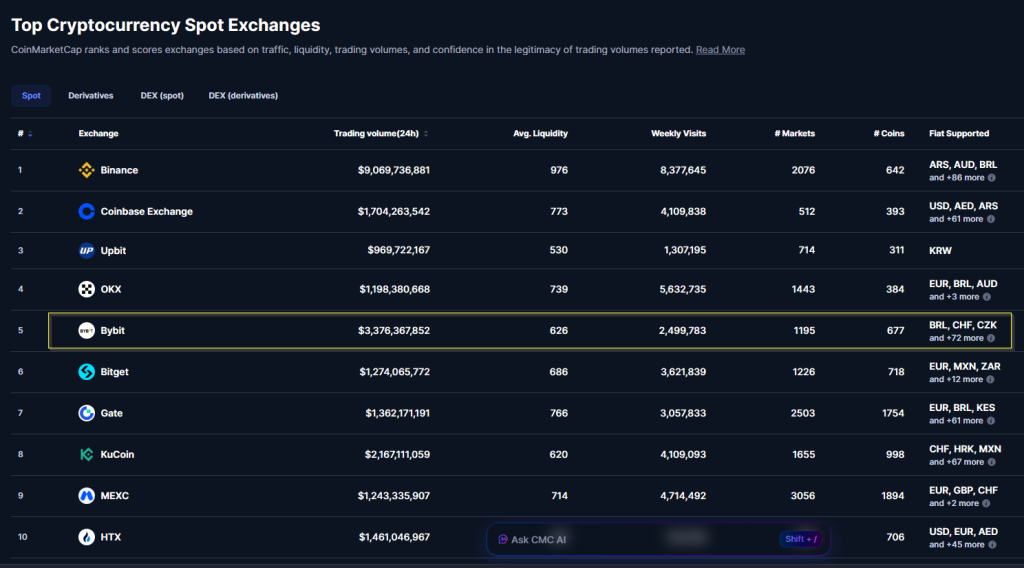
Bybit, reports indicate, ranks as the fifth-largest crypto exchange in the world by trading volume.
Malaysia Builds Its Digital Asset Framework
I’m excited about this investment, especially since things are really starting to move with crypto regulations in Malaysia. They’re actively working on clear rules right now, which is a good sign for the future.

As a researcher following developments in digital finance, I’ve been observing Bank Negara Malaysia’s recent move to establish a Digital Asset Innovation Hub. Essentially, it’s a controlled testing environment – a regulatory sandbox – where fintech and crypto companies can experiment with new ideas. They’re particularly interested in things like stablecoins pegged to the ringgit, innovative payment systems, and solutions for improving supply chain finance, all while being carefully monitored by the central bank. This is a significant step towards exploring the potential of these technologies within a secure framework.
The central bank has announced a three-year plan to explore using digital tokens for assets. Banks like Standard Chartered, CIMB Group, and Maybank are participating in trial programs to test tokenized deposits and faster international payments.
Another Malaysian telecom company, connected to Crown Prince Ismail Ibrahim, also introduced a stablecoin called RMJDT. This new digital currency is pegged to the Malaysian ringgit and operates on the Zetrix blockchain, using the same regulatory structure as the first.
Read More
- Brent Oil Forecast
- Gold Rate Forecast
- Silver Rate Forecast
- ETH PREDICTION. ETH cryptocurrency
- EUR PLN PREDICTION
- USD BRL PREDICTION
- You Won’t Believe What This Analyst Thinks About XRP’s Next Move!
- Lobsters, AI, and Crypto Chaos: OpenClaw’s Wild Takeover
- Hermes AI Just Broke Openclaw’s Biggest Limitation-Here’s Why Everyone’s Switching
- SpaceX IPO Could Trigger Billions in Forced Buying Under Nasdaq’s New Rules
2026-04-22 09:57